Our Mission & History
Our mission
The Tucson Kitchen Musicians Association (TKMA) furthers community engagement and appreciation for original and acoustic music by promoting and producing the annual Tucson Folk Festival — one of the longest-running and largest free music festivals in the country. As a volunteer-operated, member-supported 501(c)(3) nonprofit, TKMA is dedicated to showcasing diverse musical traditions, supporting emerging artists, and enhancing the cultural and musical fabric of Tucson and Southern Arizona.
We envision a thriving, inclusive community where music unites people of all ages and backgrounds. Through the Tucson Folk Festival, TKMA aspires to enrich the cultural vibrancy of Tucson by celebrating the diverse traditions of folk and acoustic music while nurturing future generations of musicians, fostering artistic innovation, and amplifying Tucson’s unique cultural heritage.
We advance this mission with these goals:
- Celebrate Cultural Heritage by honoring Tucson’s rich musical traditions.
- Support Local Musicians by providing exposure and development opportunities for Tucson artists.
- Provide a Platform for Diverse Talent, showcasing hundreds of musicians and highlighting both local and national artists.
- Build Community Connections by uniting diverse audiences and performers, fostering a sense of belonging.
- Empower the Next Generation by fostering young performers through showcases.
- Strengthen Tucson’s Cultural Identity as a hub for live, original music.
- Boost the Local Economy through festival spending and supporting local vendors and artisans.
- Make Music Accessible through free admission, accessible stages, and online viewing.
- Promote Local Artisans and small businesses through the festival’s vendor marketplace.
- Ensure Sustainability by growing the festival responsibly with community support.
Our Story
What began with a few friends, a potluck, and some well-loved instruments in a Tucson kitchen has grown into something extraordinary.
In the mid-1980s, on Friday nights, you might have heard music drifting from a neighborhood home — not just the clatter of dishes, but the hum of fiddles, strumming guitars, and voices harmonizing over laughter. These gatherings weren’t formal, but they were full of heart. That’s where the Tucson Kitchen Musicians Association (TKMA) got its start.
In 1986, TKMA became an official 501(c)(3) nonprofit, but it never lost its roots in community and connection. The mission was simple: promote folk and acoustic music and share it freely with the public.
That same year, the very first Tucson Folk Festival was held — and it’s been free to attend ever since.
What began as a grassroots gathering has grown into one of the longest-running free folk music festivals in the country — and the largest of its kind in Arizona. Every spring, more than 20,000 fans gather in downtown Tucson to celebrate American folk traditions in all their diversity: from Bluegrass to Blues, Mariachi to Zydeco. The streets come alive with music across multiple stages, and audiences from Tucson to Phoenix, from Portland to Pennsylvania—even as far as France—join the celebration.
But it’s not just about performances.
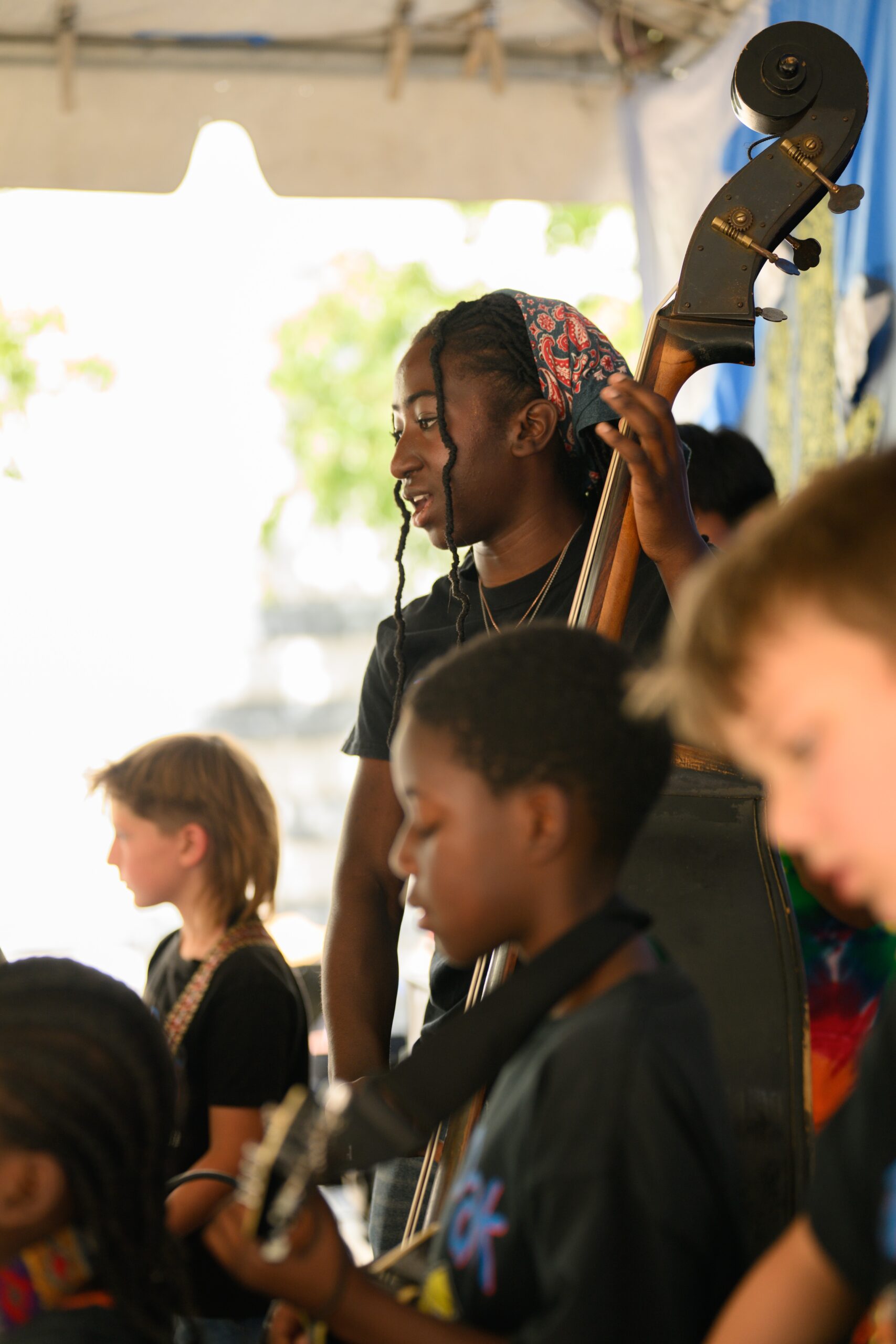
The Festival also includes interactive music workshops, a Family Show, the Roger Mikulas Young Artist Showcase for performers under 18, the Stefan George Songwriting Competition, and the Elise Grecco Community Marketplace, featuring food vendors, artisans, and makers. It’s a true celebration of culture, creativity, and community — and we deeply appreciate the over 250 dedicated volunteers who make it happen each year.
Through it all, TKMA remains a volunteer-led organization. While the Festival’s partners, sponsors, and supporters are key in making today’s Festivals possible, the heart of the Tucson Folk Festival still belongs to the musicians, volunteers, and Tucsonans who believe that music has the power to connect us all.
Every dollar donated, every minute volunteered, and every song shared helps keep the Festival free and open to all.
From kitchen tables to six Festival stages, we’ve always believed music is something best made — and enjoyed — together.